
Getting Around Los Angeles: Driving and Public Transport
Distances are big, traffic is real and the Metro network is growing. Here is how to move around smartly.
Driving in Los Angeles
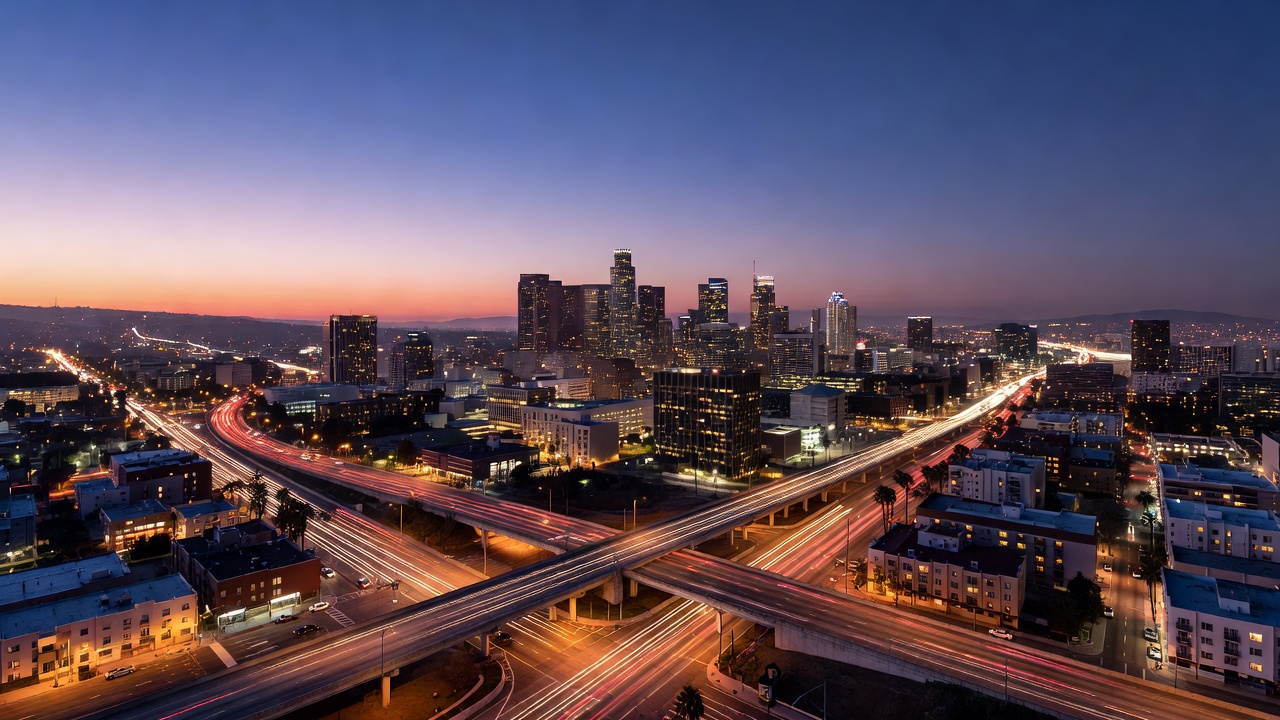
A car gives the most freedom, especially for the Getty Center, Griffith Park and Universal Studios. The main freeways you will meet are the I-405 (north-south on the west side), US-101 (through Hollywood and the Valley), I-10 (east-west through Santa Monica and downtown) and I-110 (downtown to the south). Weekday rush hours, roughly 7–10 a.m. and 3–7 p.m., can be very slow, so plan buffer time between attractions.
- Navigation apps: use live traffic and always check estimated arrival times before leaving.
- Parking rules: signs can show multiple restrictions (street cleaning, permits, time limits). Read every line, as fines are common.
- Attraction parking: expect paid parking at Universal, the Getty Center and Santa Monica Pier, and limited spaces near Griffith Observatory.
- Electric vehicles: charging is widely available, but check availability near your hotel and attractions.
- Car safety: never leave valuables visible in a parked car.
Metro rail and buses
LA Metro operates rail lines, Metro buses and the TAP fare system. Metro rail is useful for specific journeys rather than the whole city. The most visitor-friendly links are:
- B Line: serves Hollywood/Highland, Hollywood/Vine and Universal City/Studio City, plus Union Station downtown.
- E Line: links Downtown Los Angeles and Santa Monica, stopping at Downtown Santa Monica near the pier.
- A, C, D and K Lines: useful for downtown, the airport area and other regions; check the Metro map for connections.
- Buses: Metro and operators such as Big Blue Bus and LADOT DASH fill gaps, including routes serving the Getty Center and Griffith Observatory.
You need a TAP card or compatible mobile payment to ride. Metro has offered fare capping so frequent riders do not pay more than a daily or weekly limit; check current fares and caps at metro.net.
Rideshare and taxis
Rideshare is handy for late nights, Hollywood evenings and Griffith Observatory return trips when parking is difficult. Fares rise at peak times, so compare with Metro or parking costs. At Los Angeles International Airport (LAX), rideshare pickups use a dedicated pick-up area reached by shuttle (LAX-it), so follow current airport signs.
Airport transfers
From LAX, options include rideshare, taxis, rental cars, the FlyAway bus to Union Station and Van Nuys, and a Metro connection via the LAX/Metro Transit Center. Allow extra time for shuttle transfers. Find the latest information at flylax.com.
Which option suits each attraction?
| Attraction | Best option | Alternative |
|---|---|---|
| Hollywood Walk of Fame | Metro B Line | Rideshare in the evening |
| Griffith Observatory | DASH Observatory bus or rideshare | Drive early or hike up |
| Universal Studios Hollywood | Metro B Line or drive | Rideshare after closing |
| Santa Monica Pier | Metro E Line then walk | Drive and use a paid lot |
| The Getty Center | Drive and use the tram | Bus or rideshare |
Smart transport tips
- Group your attractions by area to cut travel time. See our one-day itinerary.
- Avoid cross-city drives at rush hour where possible.
- Keep a small amount of battery or a portable charger for maps and tickets.
- Use official apps and websites for live service alerts.